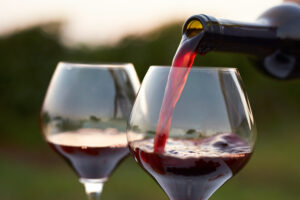
Imagine an evening shared around a beautifully prepared meal: the warmth of conversation, the aroma of fresh ingredients, and a glass of elegant red wine reflecting centuries of tradition. Beyond its color, aroma, and taste, wine carries a fascinating story — one written by the vineyard, the climate, the soil, and the hands of the people who created it.
For centuries, wine has been part of Mediterranean and European cultures, closely connected with gastronomy, celebration, and the art of enjoying life. The famous “French Paradox” — the observation that some populations with traditional diets and moderate wine consumption showed relatively favorable cardiovascular health indicators — sparked decades of scientific interest in the natural compounds found in grapes and wine.
Today, researchers understand that wine is a complex combination of hundreds of natural compounds, many of which originate from the grape itself and are influenced by the environment where the vines grow.
The Science Inside the Glass: The Power of Polyphenols
One of the most fascinating groups of compounds found in grapes and red wine is polyphenols. In the vineyard, these natural substances serve as part of the grapevine’s defense system, helping protect the fruit from sunlight, environmental stress, and disease.
During winemaking, many of these compounds are extracted from grape skins, seeds, and stems, contributing not only to the structure and personality of the wine but also to its complexity.
Among the most studied polyphenols are:
Resveratrol is a compound produced by grapevines as a response to environmental challenges. It has attracted significant scientific attention because of its antioxidant properties and its possible role in supporting cellular protection mechanisms.
Flavonols, such as quercetin, are naturally occurring plant compounds known for their antioxidant activity. They contribute to the complexity of grapes and wines while reflecting the interaction between the plant and its environment.
Tannins — The Structure Behind Great Red Wines
Tannins create the sensation of texture, depth, and elegance in red wines. They are responsible for the pleasant dryness on the palate and help define the ageing potential and character of many premium wines.
The concentration and balance of these compounds vary greatly depending on grape variety, climate, soil, vineyard practices, and winemaking techniques.
Terroir: Where Wine and Nature Become One
Great wines are not created only in the cellar. Their identity begins in the vineyard.
Terroir represents the unique combination of soil, climate, landscape, and human knowledge that shapes every bottle. The same grape variety can express completely different personalities depending on where it is grown.
Sun exposure, temperature differences between day and night, rainfall patterns, soil composition, and vine stress all influence how grapes develop their aromas, flavors, acidity, color, and natural compounds.
A challenging environment can encourage vines to develop thicker skins and deeper pigments as natural protection mechanisms. These characteristics often translate into wines with greater concentration, intensity, and complexity.
From limestone-rich soils to mineral landscapes, from cool continental climates to warm sunny regions, every vineyard tells its own story.
Why Some Wines Become Extraordinary
Premium wines often come from vineyards where nature creates a delicate balance between challenge and harmony.
A moderate level of vine stress — such as limited water availability or intense sunlight — can encourage the development of concentrated grapes with expressive aromas and rich structure. This is why wines from carefully selected vineyards often reveal deeper colors, more complex flavours, and greater ageing potential.
Grape varieties with naturally thick skins, such as Cabernet Sauvignon, Saperavi, Syrah, or many traditional local varieties, are especially valued for producing wines with powerful structure, beautiful color, and remarkable depth.
The Art of Enjoying Wine: Balance and Moderation
Wine has always been about connection: sharing a meal, discovering new cultures, and appreciating craftsmanship.
The greatest experience comes from drinking wine mindfully — slowly appreciating its aromas, textures, and the story behind its origin. A well-made wine is not simply a beverage; it is an expression of a place, a season, and generations of knowledge.
Wine is best enjoyed responsibly and as part of a balanced lifestyle, where quality, moderation, and appreciation are at the center.
A Glass Full of Nature, History, and Craftsmanship
Every bottle of wine is a journey through time and place. The sun, the soil, the climate, and the dedication of the winemaker come together to create something unique.
Whether from ancient vineyards or emerging wine regions, exceptional wines remind us that nature leaves its signature in every glass — offering not only flavor, but also a connection to the land and the people behind it.