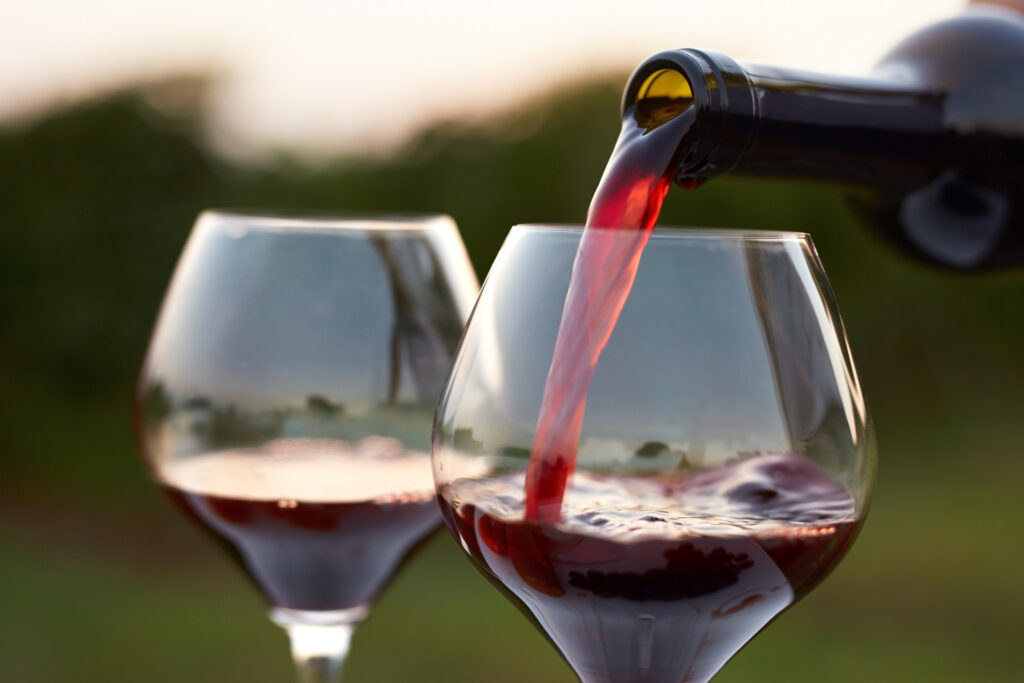
Imagine an evening shared around a beautifully prepared meal: the warmth of conversation, the aroma of fresh ingredients, and a glass of elegant red wine reflecting centuries of tradition. Beyond its color, aroma, and taste, wine carries a fascinating story — one written by the vineyard, the climate, the soil, and the hands of the people who created it. For centuries, wine has been part of Mediterranean and European cultures, closely connected with gastronomy, celebration, and the art of enjoying life. The famous “French Paradox” — the observation that some populations with traditional diets and moderate wine consumption showed relatively favorable cardiovascular health indicators — sparked decades of scientific interest in the natural compounds found in grapes and wine. Today, researchers understand that wine is a complex combination of hundreds of natural compounds, many of which originate from the grape itself and are influenced by the environment where the vines grow. The Science Inside the Glass: The Power of Polyphenols One of the most fascinating groups of compounds found in grapes and red wine is polyphenols. In the vineyard, these natural substances serve as part of the grapevine’s defense system, helping protect the fruit from sunlight, environmental stress, and disease. During winemaking, many of these compounds are extracted from grape skins, seeds, and stems, contributing not only to the structure and personality of the wine but also to its complexity. Among the most studied polyphenols are: Resveratrol is a compound produced by grapevines as a response to environmental challenges. It has attracted significant scientific attention because of its antioxidant properties and its possible role in supporting cellular protection mechanisms. Flavonols, such as quercetin, are naturally occurring plant compounds known for their antioxidant activity. They contribute to the complexity of grapes and wines while reflecting the interaction between the plant and its environment. Tannins — The Structure Behind Great Red Wines Tannins create the sensation of texture, depth, and elegance in red wines. They are responsible for the pleasant dryness on the palate and help define the ageing potential and character of many premium wines. The concentration and balance of these compounds vary greatly depending on grape variety, climate, soil, vineyard practices, and winemaking techniques. Terroir: Where Wine and Nature Become One Great wines are not created only in the cellar. Their identity begins in the vineyard. Terroir represents the unique combination of soil, climate, landscape, and human knowledge that shapes every bottle. The same grape variety can express completely different personalities depending on where it is grown. Sun exposure, temperature differences between day and night, rainfall patterns, soil composition, and vine stress all influence how grapes develop their aromas, flavors, acidity, color, and natural compounds. A challenging environment can encourage vines to develop thicker skins and deeper pigments as natural protection mechanisms. These characteristics often translate into wines with greater concentration, intensity, and complexity. From limestone-rich soils to mineral landscapes, from cool continental climates to warm sunny regions, every vineyard tells its own story. Why Some Wines Become Extraordinary Premium wines often come from vineyards where nature creates a delicate balance between challenge and harmony. A moderate level of vine stress — such as limited water availability or intense sunlight — can encourage the development of concentrated grapes with expressive aromas and rich structure. This is why wines from carefully selected vineyards often reveal deeper colors, more complex flavours, and greater ageing potential. Grape varieties with naturally thick skins, such as Cabernet Sauvignon, Saperavi, Syrah, or many traditional local varieties, are especially valued for producing wines with powerful structure, beautiful color, and remarkable depth. The Art of Enjoying Wine: Balance and Moderation Wine has always been about connection: sharing a meal, discovering new cultures, and appreciating craftsmanship. The greatest experience comes from drinking wine mindfully — slowly appreciating its aromas, textures, and the story behind its origin. A well-made wine is not simply a beverage; it is an expression of a place, a season, and generations of knowledge. Wine is best enjoyed responsibly and as part of a balanced lifestyle, where quality, moderation, and appreciation are at the center. A Glass Full of Nature, History, and Craftsmanship Every bottle of wine is a journey through time and place. The sun, the soil, the climate, and the dedication of the winemaker come together to create something unique. Whether from ancient vineyards or emerging wine regions, exceptional wines remind us that nature leaves its signature in every glass — offering not only flavor, but also a connection to the land and the people behind it.

For centuries, wine has been considered a symbol of elegance and indulgence. It stands as a testament to human’s ability to transform the gift of Mother Nature into something extraordinary. While wine cellars are not uncommon, there is one that stands out: Mileștii Mici, the largest wine cellar in the world, located beneath the rolling hills of Moldova. Unveiling the Enigma of Mileștii Mici Mileștii Mici, situated just a short drive from Moldova’s capital, Chișinău, is a wine lover’s paradise. It is a mesmerizing subterranean filled with wondrous stories. This wonderland spans 200 kilometers (124 miles) of tunnels and caverns. This massive underground cellar is more than just a storage facility; it’s a subterranean city of wine. A Historical Treasure Trove To understand the significance of Mileștii Mici, one must be aware of its rich history. The wine cellars were established in the 1960s. It was primarily constructed as a way to store and preserve the country’s finest wines. What started as a practical solution soon evolved into something much grander. Today, the cellar houses a collection of over 2 million bottles, including rare and vintage wines that date back several decades. Navigating the Underground Maze Exploring Mileștii Mici is an adventure in itself. One can visit the labyrinth of underground streets which are named after famous wine regions and varietals. As you walk these dimly lit passages, you’ll be surrounded by an endless sea of wine bottles neatly stacked in alcoves along the walls. It is quite an astonishing venture one must take. A Treasure Trove of Wine The collection at Mileștii Mici is a testament to Moldova’s deep-rooted winemaking traditions. Among the 190 varieties of grapes grown in the country, some of the most cherished include Fetească Albă, Fetească Neagră, and Rara Neagră. The cellar showcases an impressive array of wines, from crisp whites to robust reds, and even sparkling options. Wine Tasting Adventures No visit to Mileștii Mici would be complete without indulging in a wine-tasting experience. The cellar offers guided tours where guests can sample some of the finest Moldovan wines. This helps one to gain a deeper appreciation for the craftsmanship that goes into each bottle. The cool, underground environment also serves as a perfect environment for wine aging, which enhances the flavors and character of these remarkable beverages. The Grandeur of Mileștii Mici One of the most iconic spots within the cellar is the “Golden Collection” room, which houses an astonishing array of rare and valuable wines. Here, visitors can admire bottles adorned with gold and precious gems, a testament to the importance of wine in Moldova’s culture. Beyond the Cellar Mileștii Mici is more than just a cellar; it’s a celebration of Moldova’s vinicultural heritage. The wine complex also includes a dining establishment, serving traditional Moldovan cuisine paired with the finest local wines. It’s an opportunity to savor the country’s culinary traditions in a unique setting. Preserving Tradition for Generations to Come Mileștii Mici represents not only the grandeur of Moldova’s wine culture but also its commitment to preserving tradition. The cellar is living proof of the craftsmanship and dedication of Moldovan winemakers who have upheld their heritage for generations. Mileștii Mici, the world’s largest wine cellar, is more than just a storage facility; it also signifies the artistry, dedication, and passion that go into the creation of fine wine. Exploring this underground wine wonderland is an experience that takes you deep into the heart of Moldova’s vinicultural traditions. Whether you’re a wine enthusiast or a casual appreciator, Mileștii Mici promises an unforgettable journey through the enchanting world of wine. So, if you find yourself in Moldova, don’t miss the chance to embark on an underground wine escape like no other.

Eastern Europe wine has been a hidden treasure wine enthusiasts around the world. It is true that nations like France, Italy, and Spain often take the centre stage when it comes to wine. However, countries in Eastern Europe, such as Moldova, have been producing remarkable wines for hundreds of years. Its vineyards produce some of the finest wines you’ve never heard of. More importantly, the wine history is deeply rooted in heritage and tradition. In today’s article, we invite you to explore the fascinating world of Eastern Europe wine, with a special focus on Moldova. The Allure of Moldovan Vineyards Moldova, often referred to as the “Garden of Grapes,” boasts a diverse landscape that’s ideal for viticulture. With rolling hills, fertile soil, and a favorable climate, Moldovan vineyards produce grapes that are the essence of Eastern Europe wine. In Moldova, you’ll encounter a delightful variety of grapes, each lending its unique character to the wines. From the robust Fetească Neagră to the elegant Rara Neagră, there’s a wine for every taste. Moldova is a place where tradition and innovation coexist harmoniously. Winemakers here cherish ancient winemaking techniques passed down for generations, while also embracing modern technology to refine their craft. Exploring Eastern Europe Wine: A Tour of Moldova To truly appreciate Eastern Europe wine in Moldova, you must indulge yourself on a wine tour. You’ll have the opportunity to visit historic wineries, taste exquisite wines, and witness the winemaking process firsthand. No visit to Moldova is complete without exploring the Mileștii Mici Wine Cellars, a UNESCO-listed wonder. This underground labyrinth houses the world’s largest wine collection. It is a testament to Moldova’s devotion to winemaking. The capital city of Chisinau is home to numerous wineries and wine bars. A stroll through its streets will lead you to hidden gems where you can savor the finest Moldovan wines. Pairing Moldovan wines with the local cuisine is an unforgettable experience. Don’t miss the chance to sample traditional Moldovan dishes that perfectly complement the wines. few exemples will be: Plăcintă – Savory pastries filled with special Moldavian cheese, potatoes, or cabbage, Salată de vinete – Roasted eggplant salad, similar to baba ghanoush, Brânză de burduf – Soft, salty sheep’s cheese, often served in a roll of fir bark, Mămăligă cu brânză și smântână – Cornmeal porridge with cheese and sour cream, often served with meat, Sarmale – Cabbage rolls stuffed with pork or beef and rice, Friptură de porc sau pui – Roast pork or chicken, often served with herbs and vegetables. Accessing the Best Eastern European Wines at Your Fingertips As we conclude our journey through the enchanting world of Eastern Europe wine, with a spotlight on Moldova, we hope you’ve been inspired to explore this hidden gem. Moldova’s winemaking heritage, diverse vineyards, and exceptional wines make it a destination worth discovering. Whether you’re a seasoned wine enthusiast or a novice looking for new experiences, Moldova has something extraordinary to offer. To add an extra layer of excitement, our website offers an extensive and carefully curated selection of Eastern European wines, with a special focus on Moldovan varieties. Through our user-friendly interface, detailed wine descriptions, and secure shopping experience, the website ensures that the best Eastern European wines are easily accessible, allowing wine enthusiasts to explore and enjoy these exceptional vintages. moldovawine.nl/shop
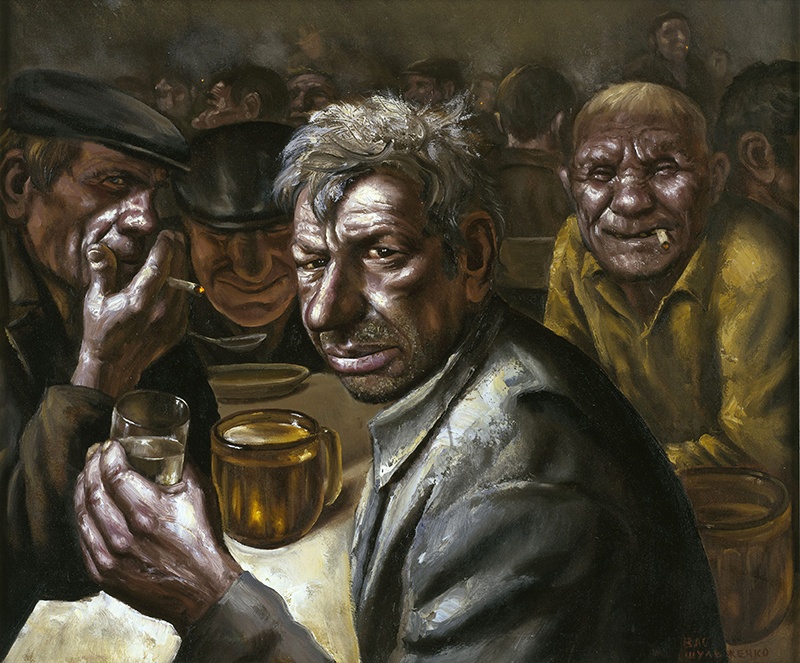
The USSR’s New Alcohol Policy: A Step Towards a Sober Society or The Battle Between Joy and Addiction Today, we are diving into an intriguing and transformative topic – the USSR’s new alcohol policy. Back in 1985, the Soviet Union made a bold move to combat alcoholism, a long-standing health and social problem in the country. Let’s delve deeper into the measures taken and their impact on shaping a healthier society. Alcoholism had been plaguing the USSR for years, causing a myriad of health and social issues. From the early 1960s to the early 1980s, alcohol production and consumption steadily increased, with annual consumption per capita more than doubling from 3.9 liters of pure ethanol in 1960 to a staggering 8.7 liters in 1980. As alcohol consumption soared, so did the negative consequences. The death rate among able-bodied men surpassed that of women, and accidents, traumas, and violence committed by intoxicated individuals became alarmingly frequent. Recognizing the severity of the situation, the USSR government and the Communist Party launched a comprehensive approach to tackle alcohol-related problems. Their long-term anti-alcohol program encompassed various aspects, including social, economic, demographic, educational, legislative, psychological, and biochemical interventions. This multifaceted strategy aimed to cultivate temperance across the nation and revamp societal attitudes toward alcohol consumption. Regulation of Availability: To address excessive alcohol consumption, the government took decisive actions to curtail the production and sales of alcoholic beverages. They also imposed strict control over prices and advertising while discouraging home distillation. As a result, by 1987, the production of strong spirits like vodka and cognac drastically decreased, while non-alcoholic beverage production and sales surged. Alteration of Public Attitudes: Concurrently, the authorities launched extensive health education campaigns to raise awareness about the toxic effects of alcohol and promote the benefits of abstinence. Through various channels, including the mass media, they emphasized the importance of a sober lifestyle. They also sought to foster intolerance towards drinking, especially in workplaces, educational institutions, and public gatherings. Results and Impact The implementation of the new alcohol policy yielded remarkable results that reverberated throughout Soviet society. Per capita alcohol consumption plummeted from 8.4 liters in 1984 to only 3.3 liters in 1987. Consequently, alcohol-related absenteeism and work-related disabilities decreased by 30%. Moreover, the number of alcohol-related traffic accidents and violent crimes significantly declined, contributing to a safer and more secure environment. The success of the policy was also evident in demographic improvements. The mortality rate dropped from 10.8 in 1984 to 9.9 in 1987, and the average life expectancy increased. Such progress indicated a tangible decline in alcoholism-related illnesses and fatalities. Although the new alcohol policy achieved commendable results, it was not without its challenges. The attempts to solely rely on prohibitive and administrative measures led to an increase in illicit home distillation and the consumption of dangerous alcohol substitutes. This highlighted the need for a balanced approach that combined regulation with educational campaigns and changes in societal attitudes. Our intention is not to discourage enjoying wine, but to celebrate it. Drink responsable. Wine—especially Moldovan wines—carries a unique story, and should be appreciated for its quality and character, not merely the quantity poured.
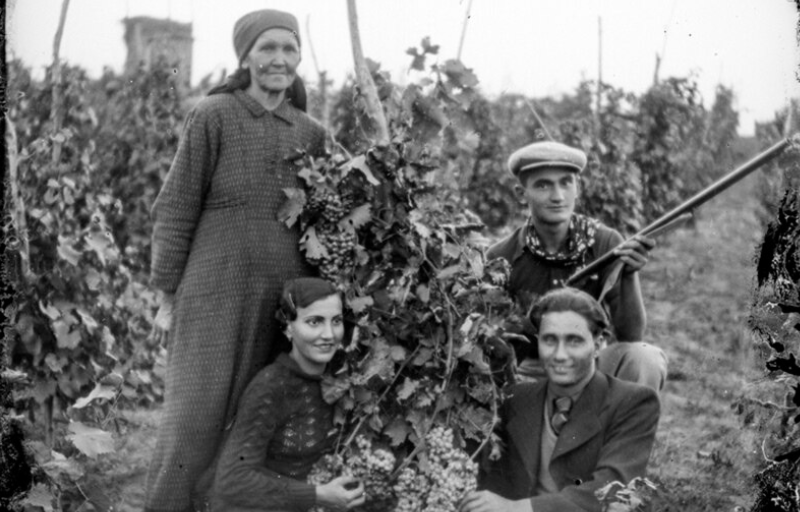
Moldova, known for its rich viticulture heritage, has a long-standing history of wine making that dates back centuries. In the period preceding the establishment of the Union of Soviet Socialist Republics (USSR), Moldovan wine faced numerous challenges, including political and social upheavals that greatly influenced vine cultivation and winemaking practices. This article delves into the early 20th century, exploring the impact of events such as the First World War, the Russian revolutions, the formation of the Democratic Republic of Moldova, and the subsequent integration into a new socioeconomic context after reunification with Romania. Effects of Social Disturbances The vineyards of Basarabia, the historical region now encompassing a significant portion of modern-day Moldova, were gradually recovering from the devastating prophylaxes and cryptogrammic diseases that ravaged the vines. However, their progress was hindered by a series of social disruptions that unfolded during this period. The outbreak of the First World War and the subsequent Russian revolutions had a profound impact on wine production. By 1918, wine production in Basarabia had decreased from a previous output of 5-6 million buckets annually to 3.5 million buckets. Moreover, wine maturation came to a halt, exacerbating the challenges faced by the industry. Challenges and Transformations Several factors contributed to the setbacks experienced by Moldovan winemakers during this period. Lack of demand, rising costs associated with establishing and maintaining new vineyards, and the absence of preferential loans for vineyard development initially hampered progress. In response, a significant increase in the cultivation of directly producing hybrids, which accounted for approximately 93% of the total vineyard area, was observed. These hybrids were hardier and more resistant to disease, making them a practical choice in challenging circumstances. Reforming and European Influence In the early 1940s, measures were undertaken to improve the situation and enhance the competitiveness of Moldovan wines. This included the phased removal of hybrid plantations and the encouragement of planting European grape varieties. The objective was to elevate the quality and reputation of Moldovan wines in both domestic and international markets. Unfortunately, these initiatives were short-lived due to the outbreak of the Second World War, which once again disrupted the progress made by the Moldovan wine industry. Title: Moldovan Wine: Flourishing in the USSR Period with Vast Vine Cultivation Moldova, a country renowned for its wine making tradition, experienced a significant transformation in its wine industry during the period of the Union of Soviet Socialist Republics (USSR). This era was characterized by extensive vine cultivation, record-breaking harvests, and an expansion of vineyard areas. This article explores the remarkable growth of Moldovan wine production, focusing on the USSR period and its impact on vineyards, grape varieties, and cultivation practices. Expansion of Vineyard Areas and Grape Varieties In 1945, a comprehensive census of vineyards revealed that Moldova boasted approximately 98.5 thousand hectares of vineyard land, with a mere 15% of gaps between the plantations. The existing vineyards were predominantly aged 20 years or older, reflecting the long-standing viticultural heritage of the region. Among the grape varieties, European varieties accounted for roughly 7% of the total vineyard area. Prominent examples included Aligote, Chasselas, Gamay Noir, Muscat Blanc, Cinsaut, Cabernet Sauvignon, Riesling, and Pinot Gris. Additionally, local varieties like Rara Neagra were prevalent, covering a significant portion of the vineyard area. The expansion of vineyard areas spurred the growth of winemaking enterprises, encompassing primary processing entities, wine factories in cities like Chisinau, Tiraspol, and Balti, as well as specialized factory sovkhozes such as “Cialac”, “Trifesti”, “Ciumai”, “Gratiesti”, “Purcari”, “Seseni”, and “Romanesti”. The remarkable progress was evident as, by 1967, the volume of wine production had increased by a staggering 22 times compared to the 1945 levels. This surge led to the production of 1.7 million bottles of sparkling wine and 363 thousand dals of distillates. Rapid Growth and Reform Following restoration and development measures implemented in the wine sector, the vineyard area expanded to 106 thousand hectares by 1953. Notably, 83% of the vineyards were concentrated in the collective farms known as kolkhozes. However, the vast majority of the vineyard area (around 91%) still comprised hybrid grape varieties. The situation gradually improved from 1958 onwards, leading to a significant reduction in hybrid vineyards by the late 1990s. Strategic Assortment Development During the USSR period, Moldovan authorities aimed to enhance the assortment and quality of wines produced in the region. As part of this effort, recommendations for industrial cultivation were established in various years, including 1945, 1952, 1958, and 1964. These recommendations outlined the main grape varieties suitable for cultivation and identified the key areas for vineyard expansion. In terms of white wines, the focus shifted towards increasing the cultivation of varieties such as Aligote, Feteasca, Riesling, Rkatiteli, Traminer, and others. For red wines, the emphasis was placed on varieties such as Cabernet Sauvignon, Merlot, Malbec, Saperavi, Serecezione, and Gamay Freaux. The Success of Moldovan Wine in the USSR The concerted efforts made during the USSR period contributed to the remarkable growth and recognition of Moldovan wine. Mass vine cultivation, record-breaking harvests, and expanded vineyard areas propelled Moldova into the spotlight as a significant wine producer within the Soviet Union. Moldovan wines gained popularity not only domestically but also among Soviet citizens throughout the vast country. The reputation of Moldova as a reliable and high-quality wine region began to flourish. In 1960 Moldova held the distinction of producing every fourth bottle of wine consumed within the USSR. In the 1980s, Moldova reached new heights in its wine production, achieving a record yield of 12 million hectoliters from its vast 193,000 hectares of vineyards. The country was ranked 6th in the world, trailing only behind Spain, Italy, France, Portugal, and Romania, in terms of vineyard areas, global grape production, and volume of wine produced. Moldova had become a significant player in the international wine market, and every fourth bottle of wine consumed within the USSR was produced in Moldova. However, during this period, Moldova also faced challenges with the beginning of the anti-alcohol campaign in 1985. This campaign sought to reduce alcohol consumption